Category: Articles

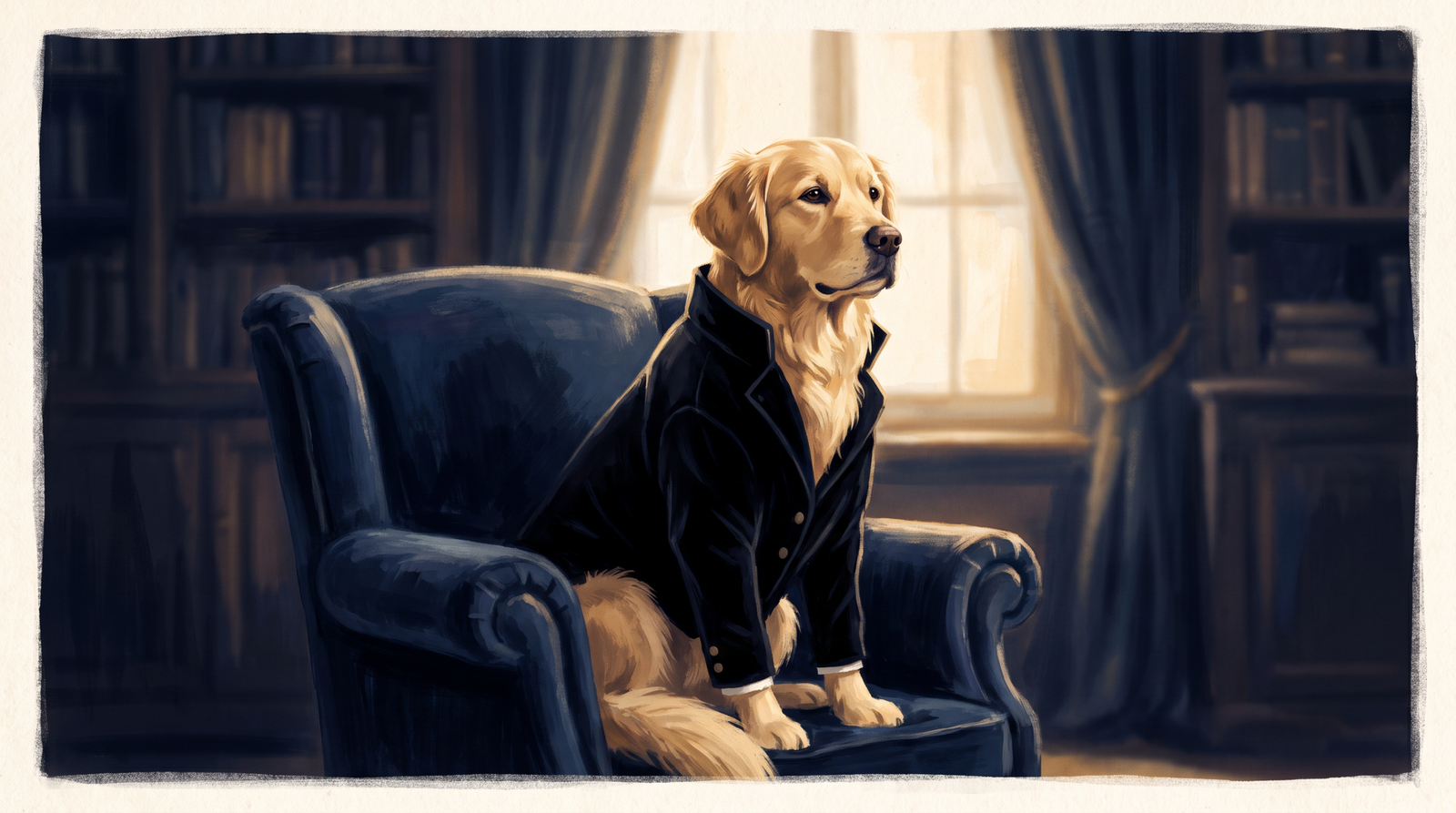
  • Why every BookTok villain is secretly a golden retriever

    Why every BookTok villain is secretly a golden retriever

    Somewhere between “morally gray” and “would die for his golden retriever energy,” romance villains lost their edge. We investigate.

    Open any trending romance right now and count how many pages pass before the brooding love interest does something suspiciously wholesome: rescues a stray, remembers a barista’s order, cries at a wedding that isn’t his own. The label says villain. The behavior says he is one good haircut away from a service-dog vest.

    Mom’s theory is simple: readers got tired of cruelty dressed up as chemistry, so the industry quietly swapped in danger you can take home to your parents. Daughter’s theory is that we all just want a golden retriever with a tragic backstory and a six-pack, and honestly, who is going to argue with that.

    Either way, the next time a blurb promises a villain, brace yourself for a very good boy.

  • The prologue problem: do we still need them?

    The prologue problem: do we still need them?

    A murder, a memory, a mysterious letter. Do prologues earn their page count, or are they just a trust exercise?

    Every trending thriller this year opens the same way: a cold open, italicized, dated fifteen years before chapter one, ending on a line designed to make you flip forward looking for answers. Sometimes it works. Sometimes it’s a promise the next three hundred pages don’t cash.

    Mom is firmly anti-prologue on principle. If the story needs it, she argues, put it in the story. Daughter will defend a good prologue to the death, as long as it’s doing something other than being ominous for its own sake.

    We went looking for the line between a prologue that earns its keep and one that’s just cosplaying as foreshadowing. There is a line. Most books walk right past it.

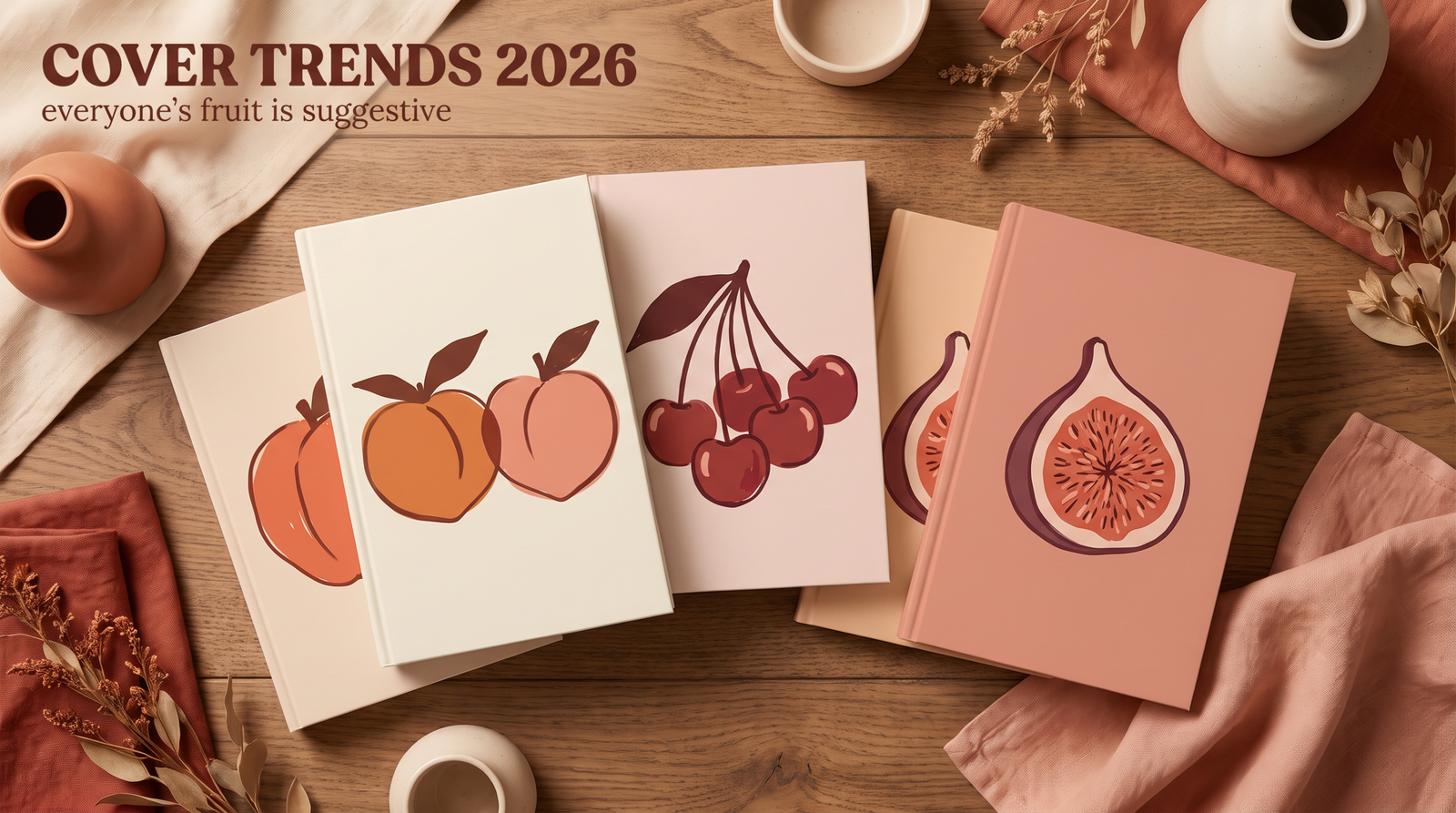
  • Cover trends 2026: everyone’s fruit is suggestive

    Cover trends 2026: everyone’s fruit is suggestive

    A field guide to peaches, cherries, and the illustrated fruit bowl currently doing a lot of emotional labor on your shelf.

    Walk into any bookstore’s romance table and you’ll notice the produce aisle has moved in. Peaches split just so. Cherries paired suggestively. A fig, cut open, doing more narrative work than some prologues. None of this is subtle, and none of it is meant to be.

    Mom remembers when a cover’s job was to show you the couple. Daughter points out that the fruit tells you everything about the heat level before you’ve read a single page, which is arguably more efficient.

    Whatever you think of the trend, it’s not going anywhere. Get used to a produce section that blushes.

  • How many enemies-to-lovers books can one shelf hold?

    How many enemies-to-lovers books can one shelf hold?

    We counted. It was a lot. Here’s why the trope refuses to die, and honestly, why should it.

    Enemies-to-lovers has outlasted every other trope cycle of the last decade, and the shelf math backs it up: on any given week, at least a third of the titles we consider for the show are running some flavor of it. Rivals, rooommates who hate each other, a duke and the woman auditing his ledger.

    Mom thinks the appeal is obvious: conflict is just chemistry with better dialogue. Daughter thinks it’s the only trope that guarantees banter, and banter is the whole point of reading romance in the first place.

    We are not tired of it. We do not think you are either. The shelf can hold more.

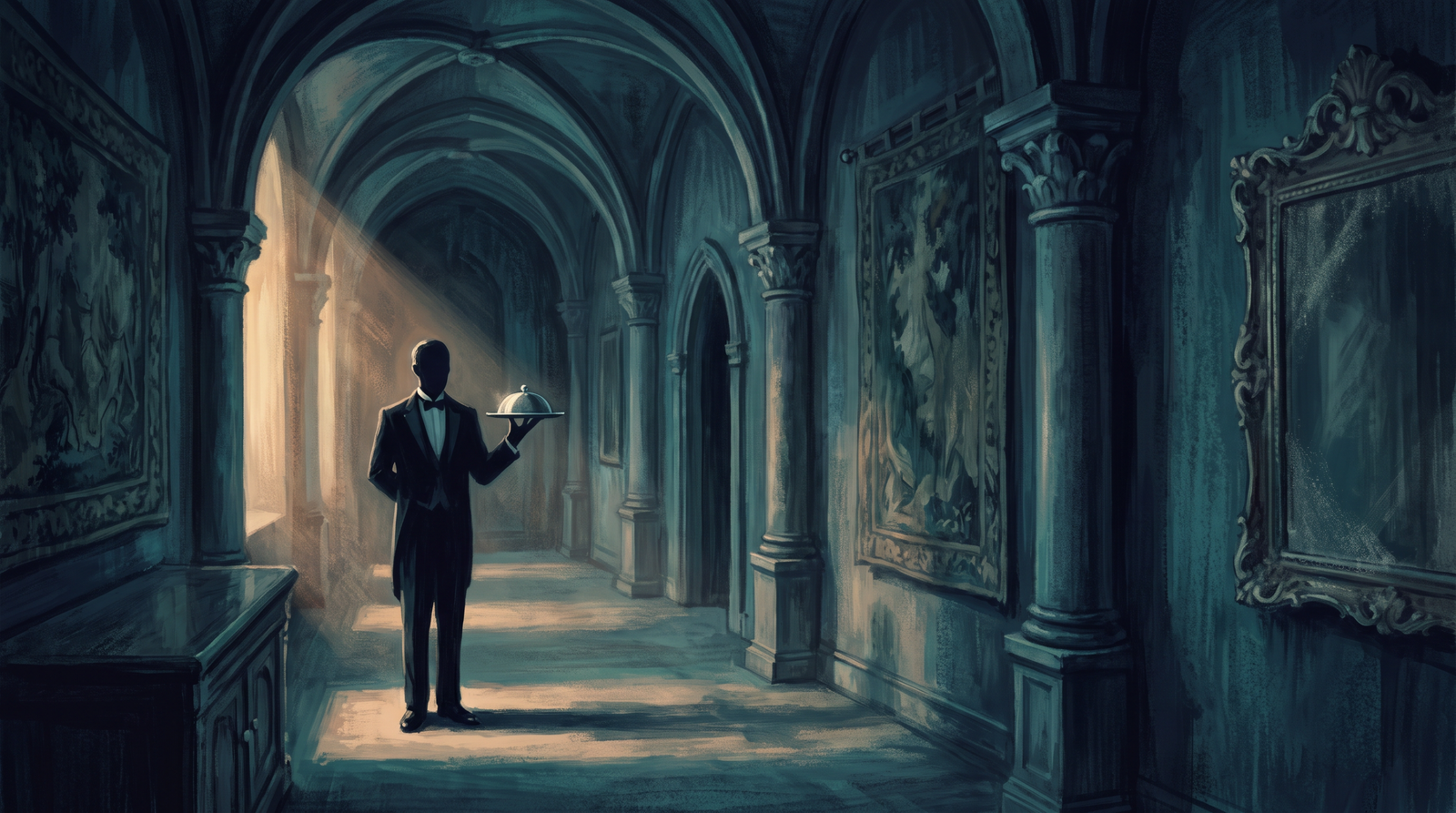
  • The butler didn’t do it. He never does anymore.

    The butler didn’t do it. He never does anymore.

    A brief history of the least-suspected suspect, and who’s actually holding the knife these days.

    The butler-did-it twist got so predictable that it retired itself decades ago, and no modern mystery would dare bring it back straight. So the role shifted: today’s butler is either fiercely innocent and quietly heroic, or he’s not in the book at all, replaced by a property manager, a life coach, or somebody’s well-meaning stepmother.

    Mom misses the butler. There was a clean, gothic pleasure in a house staff that knew everything and said nothing. Daughter argues the trope needed to evolve or die, and the new crop of unexpected suspects, the yoga instructor, the wedding planner, is more interesting anyway.

    We tallied the last twenty mysteries we’ve covered on the show. The butler was innocent in every single one. Someone else is always holding the knife now.

  • A blurb-by-blurb breakdown of what unputdownable actually means

    A blurb-by-blurb breakdown of what unputdownable actually means

    Spoiler: it means the marketing team ran out of other adjectives. A forensic analysis.

    We pulled every back-cover blurb from this season’s episodes and counted the word “unputdownable.” It appeared on four out of six books. Two of those four we handed a Case Dismissed verdict. Statistically, the word tells you nothing.

    Mom’s rule of thumb: the more urgently a blurb insists you won’t be able to stop reading, the more likely there’s a saggy middle third it’s trying to distract you from. Daughter is slightly more forgiving, but agrees that “unputdownable” has officially joined “tour de force” in the pile of blurb words that have stopped meaning anything.

    Our replacement metric going forward: does the verdict hold up when we actually read the book. Radical, we know.